Overview
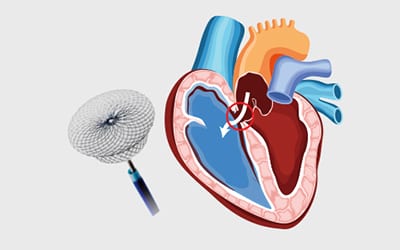
An atrial septal defect (ASD) is a hole in the wall between the heart's two upper chambers, present from birth. Over time it can cause breathlessness, irregular heartbeat and strain on the right side of the heart.
Most secundum ASDs can be closed with a device that looks like two small umbrellas. It is delivered through a catheter and seals the hole from both sides; heart tissue grows over it within months.
Who may need it
- Children and adults with a significant ASD causing heart enlargement
- ASD found during evaluation of palpitations, stroke or breathlessness
What to expect
- Done through a vein in the groin under echo guidance.
- The hole is measured, and the device is opened on either side of the defect.
- Position is confirmed before the device is released.
Recovery & aftercare
- Discharge in 1–2 days; avoid strenuous activity for a few weeks. Short-term blood thinners are usually prescribed.
Medically reviewed by Dr. G.V. Senthilnathan, MBBS, MD (General Medicine), DM (Cardiology). This page is general information; your treatment plan will be tailored to your own reports and health.