Overview
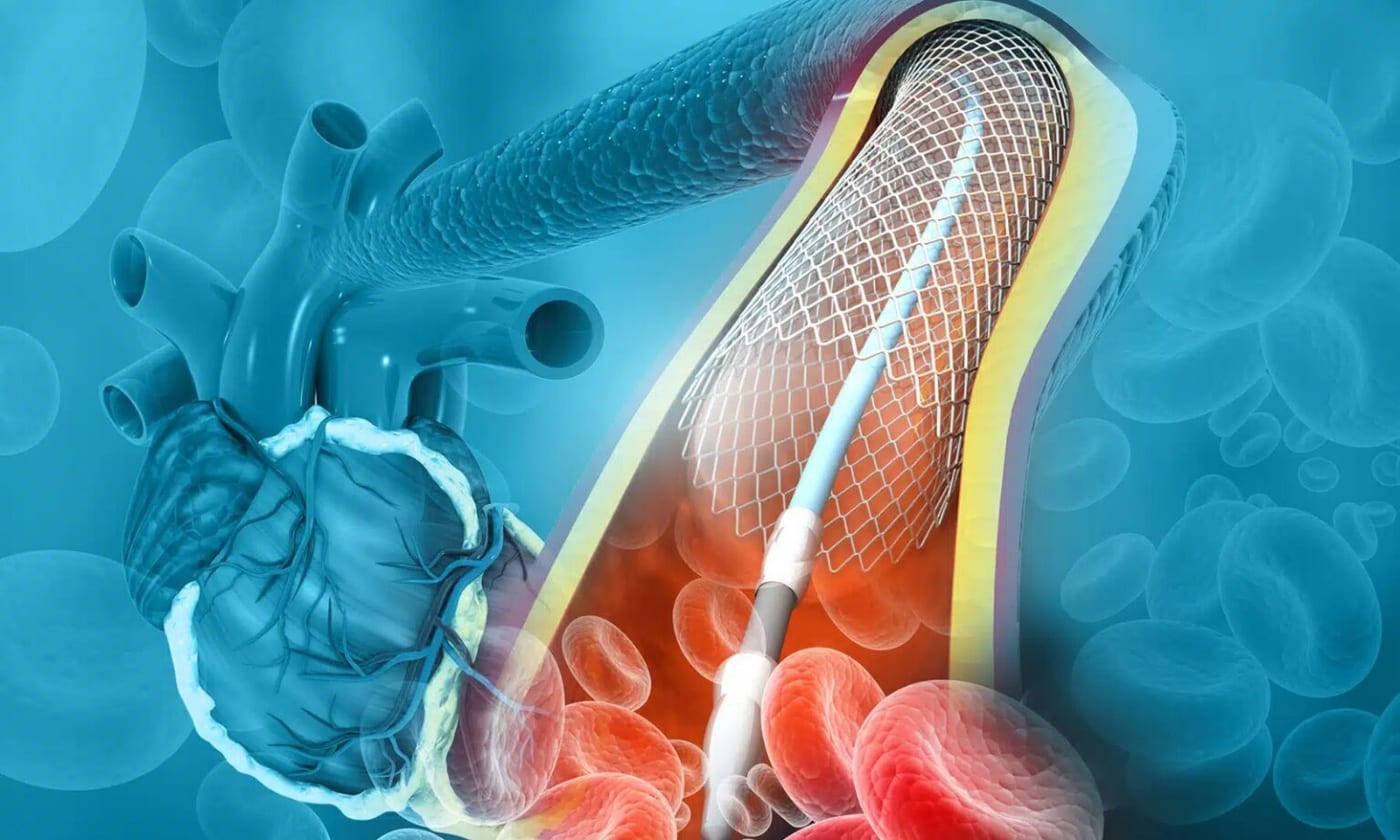
Coronary angioplasty (PTCA or PCI) restores blood flow through a narrowed or blocked heart artery. A tiny balloon opens the blockage and a drug-eluting stent — a fine metal mesh coated with medicine — keeps it open.
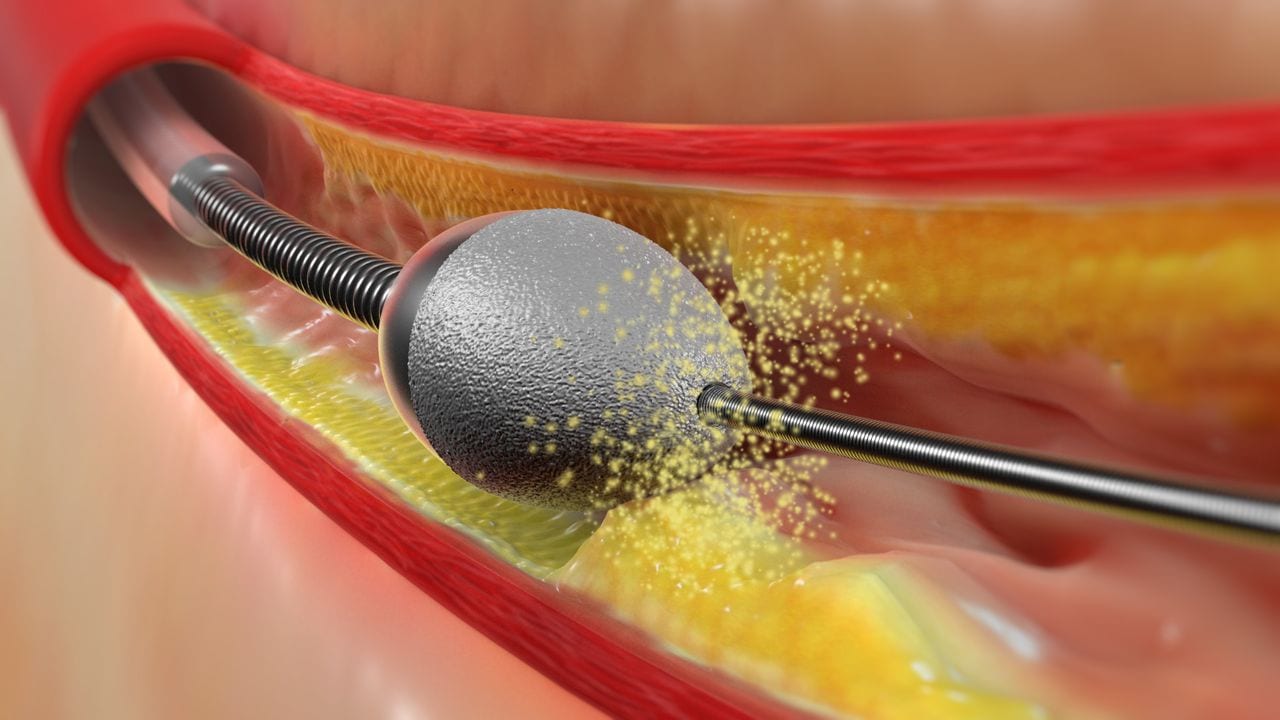
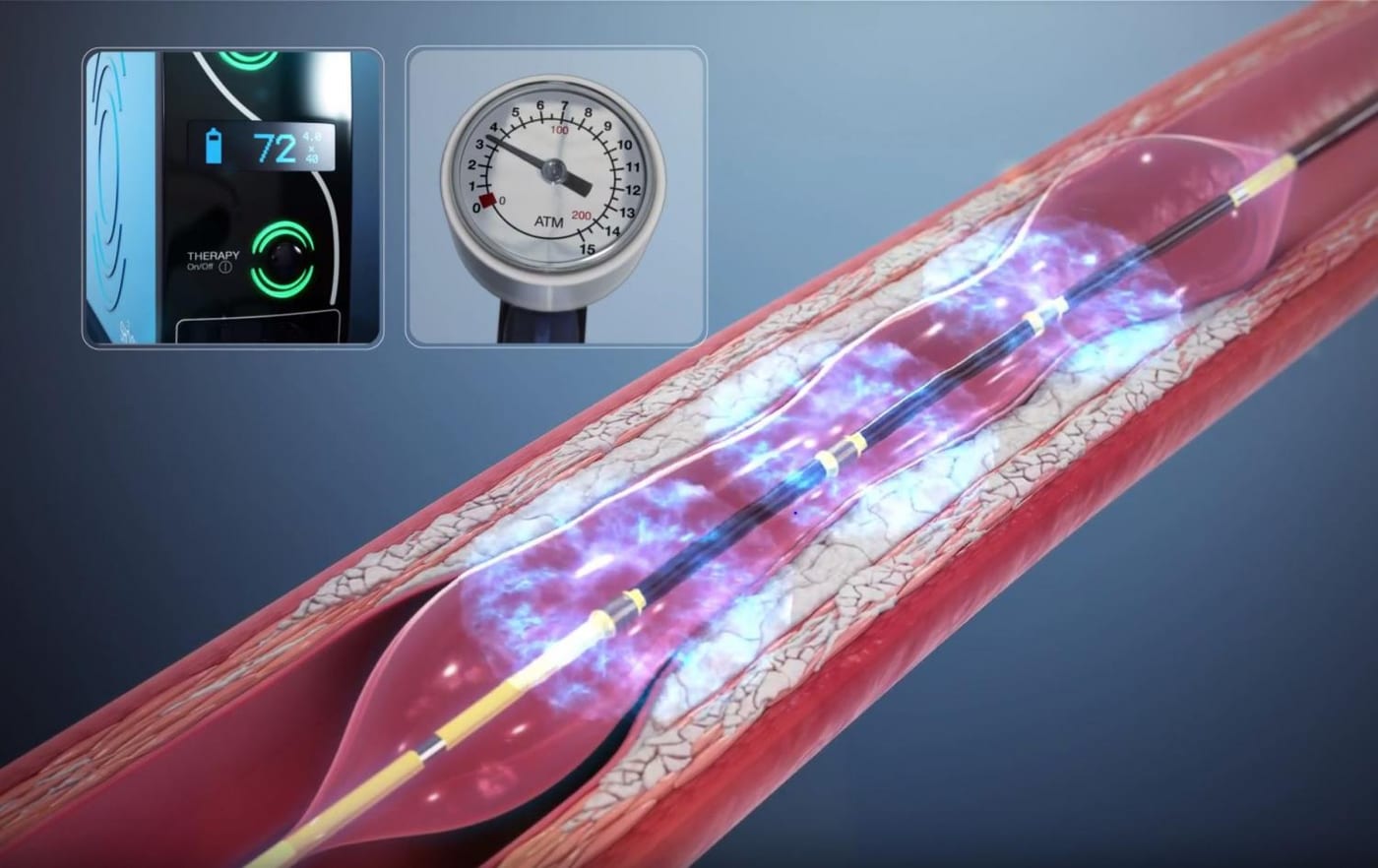
Dr. Senthilnathan specialises in complex angioplasty: multi-vessel and left main disease, bifurcation lesions, chronic total occlusions (CTO), and heavily calcified arteries treated with rotablation, lithotripsy or orbital atherectomy. Imaging and physiology guidance are used to get the best long-term result.
In a heart attack, emergency (primary) angioplasty is the fastest way to save heart muscle. Every minute counts.
Who may need it
- Heart attack (primary angioplasty)
- Angina not controlled by medicines
- Significant blockages confirmed by angiography, FFR or imaging
What to expect
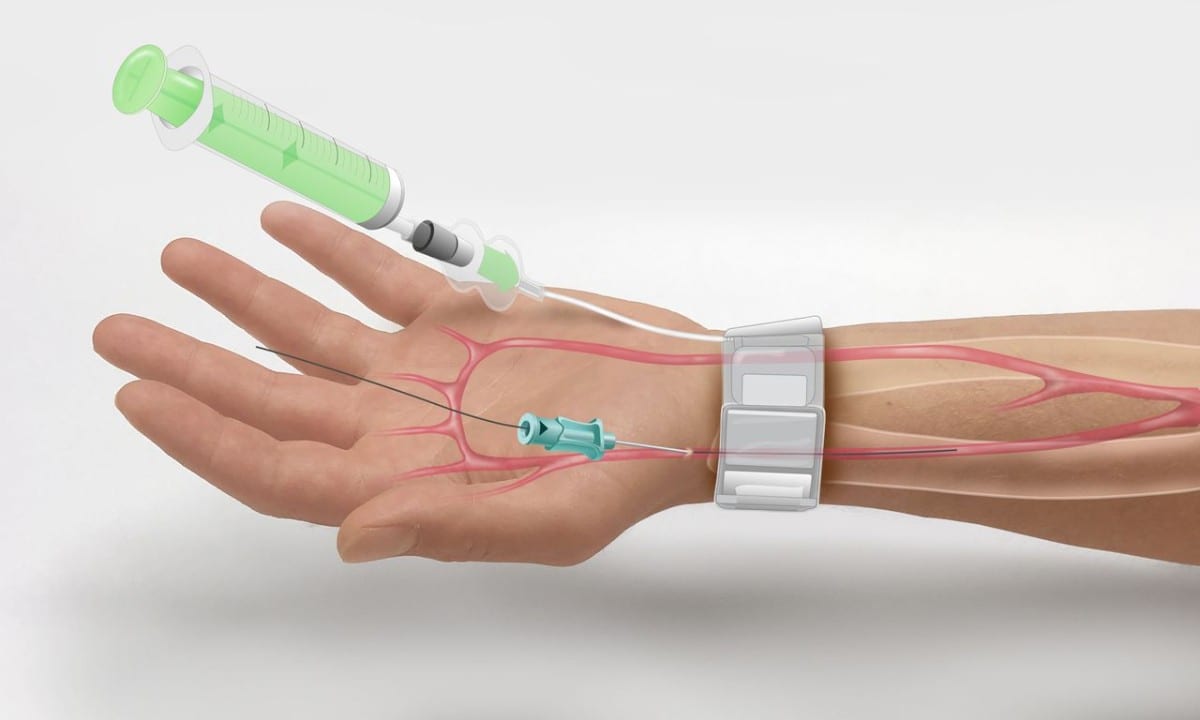
- Performed under local anaesthesia, usually through the wrist.
- A guide wire crosses the blockage, the balloon opens it and the stent is deployed.
- Imaging (IVUS/OCT) confirms the stent is fully expanded. Most procedures take 30–90 minutes.
Recovery & aftercare
- Most patients walk the same day and go home in 1–2 days.
- Take blood-thinning medicines (antiplatelets) exactly as prescribed — never stop them without speaking to your cardiologist.
- Return to desk work in about a week; join cardiac rehabilitation for a safe return to full activity.
Medically reviewed by Dr. G.V. Senthilnathan, MBBS, MD (General Medicine), DM (Cardiology). This page is general information; your treatment plan will be tailored to your own reports and health.