Overview
In older patients and those with diabetes or kidney disease, plaque in the heart arteries can become hard like bone (calcified). A balloon may not be able to open it.
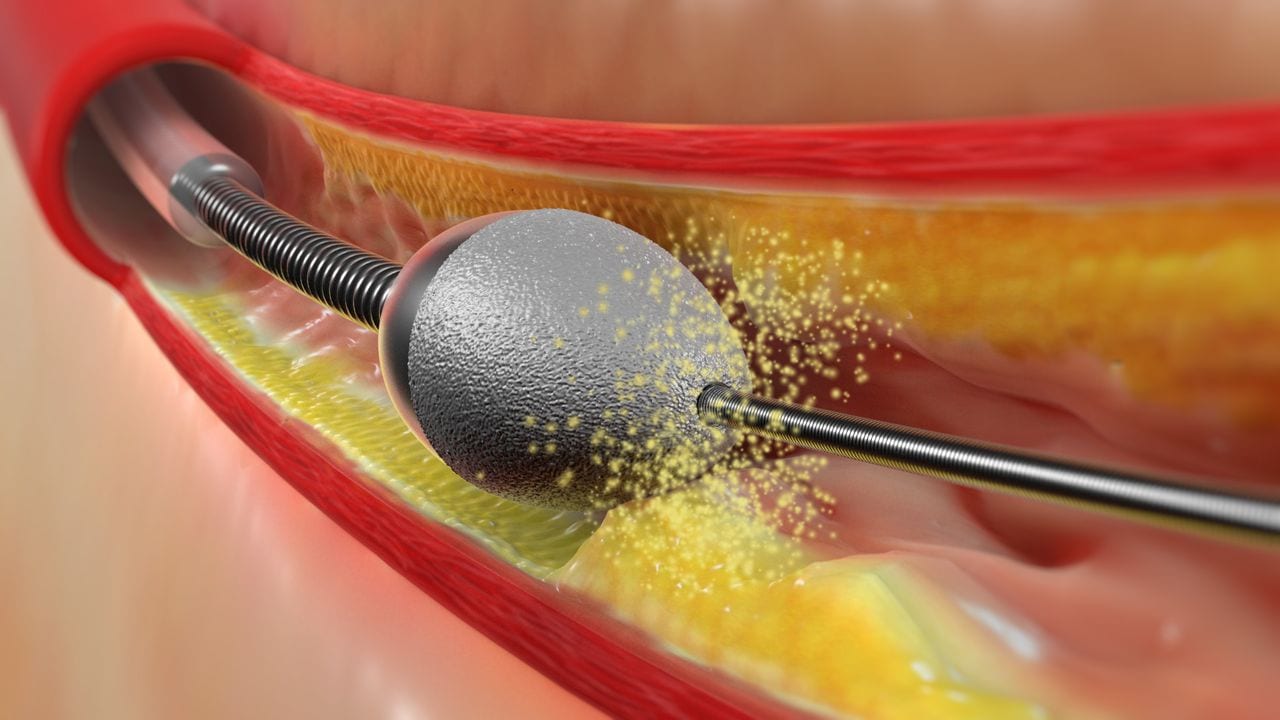
Rotablation uses a tiny diamond-coated burr spinning at very high speed to sand away the calcium into microscopic particles, which pass harmlessly into the bloodstream. The artery can then be stented properly.
Who may need it
- Severely calcified blockages that a balloon cannot cross or expand
- Patients who might otherwise be advised bypass surgery because of calcium
What to expect
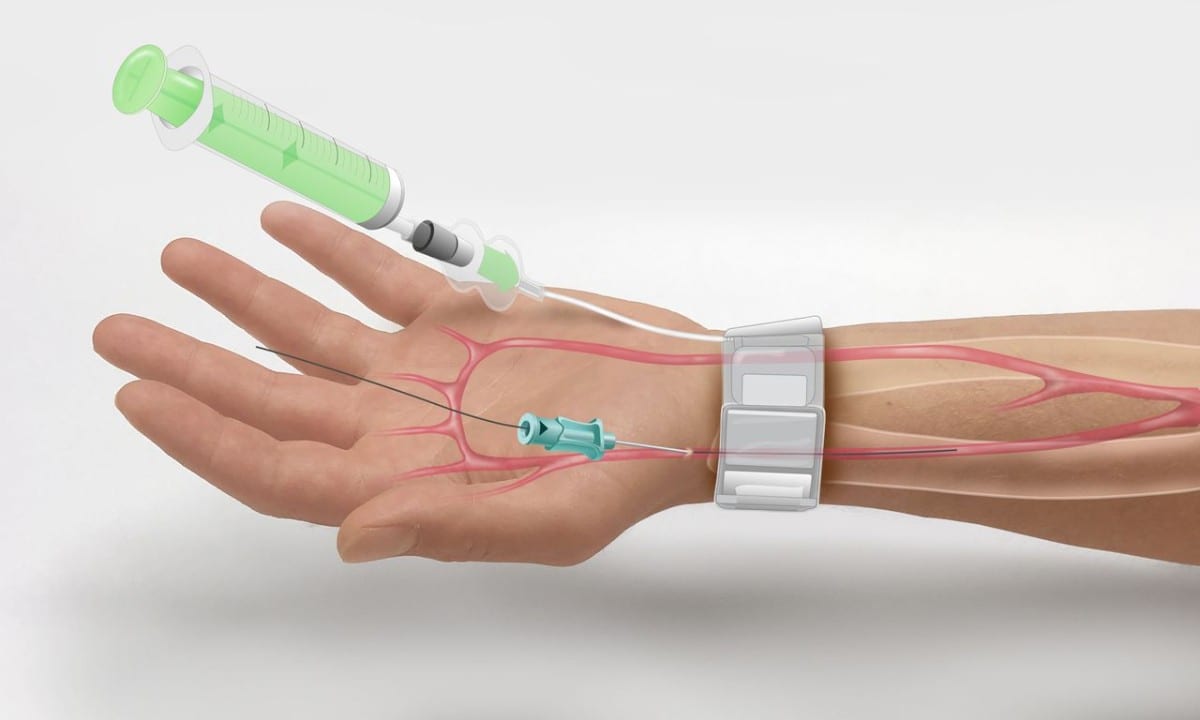
- Performed as part of an angioplasty, usually through the wrist.
- The burr is advanced over a special wire and the calcium is treated in short runs.
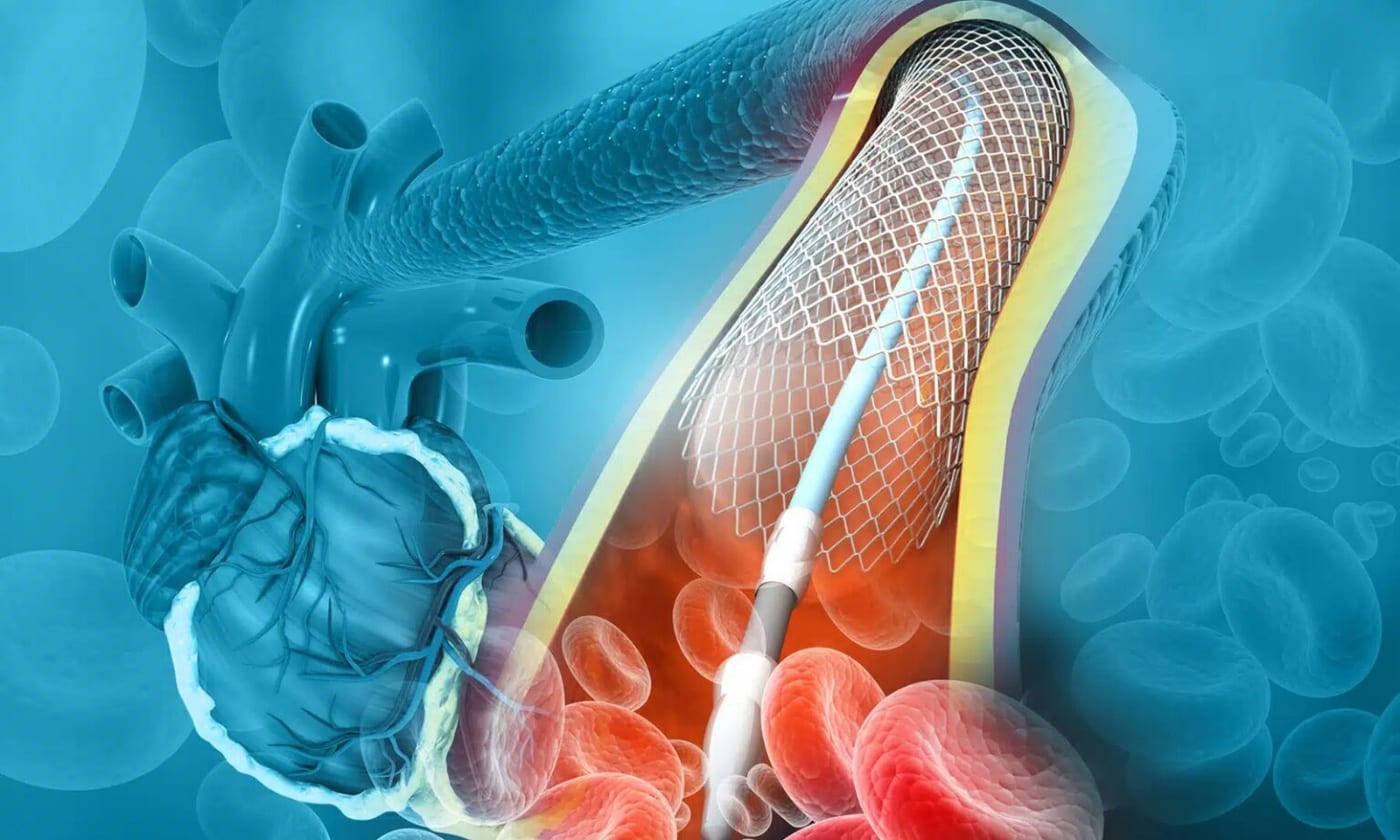
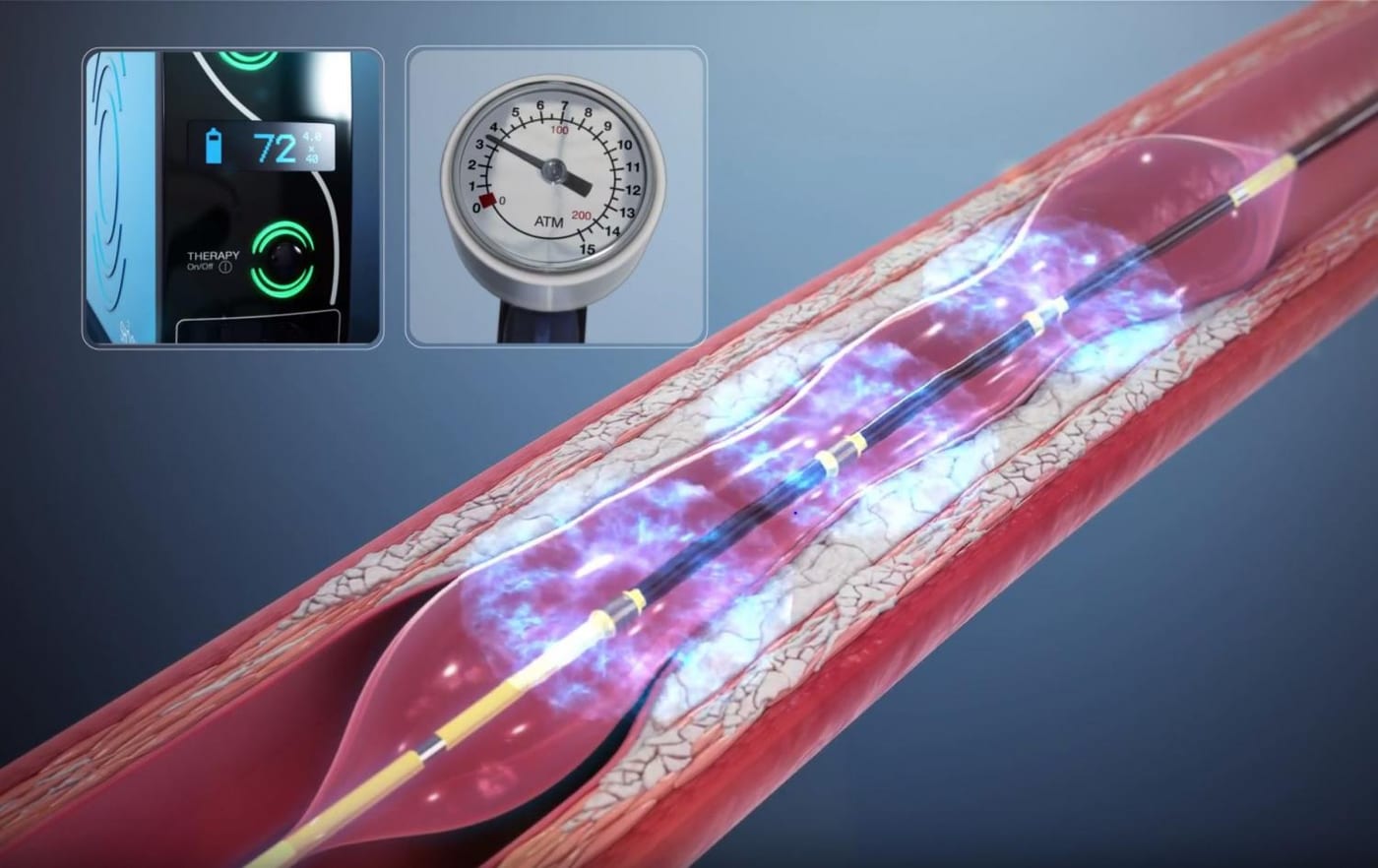
- The artery is then prepared with a balloon and a drug-eluting stent is placed.
Recovery & aftercare
- Recovery is similar to a standard angioplasty — usually 1–2 days in hospital.
Medically reviewed by Dr. G.V. Senthilnathan, MBBS, MD (General Medicine), DM (Cardiology). This page is general information; your treatment plan will be tailored to your own reports and health.