Overview
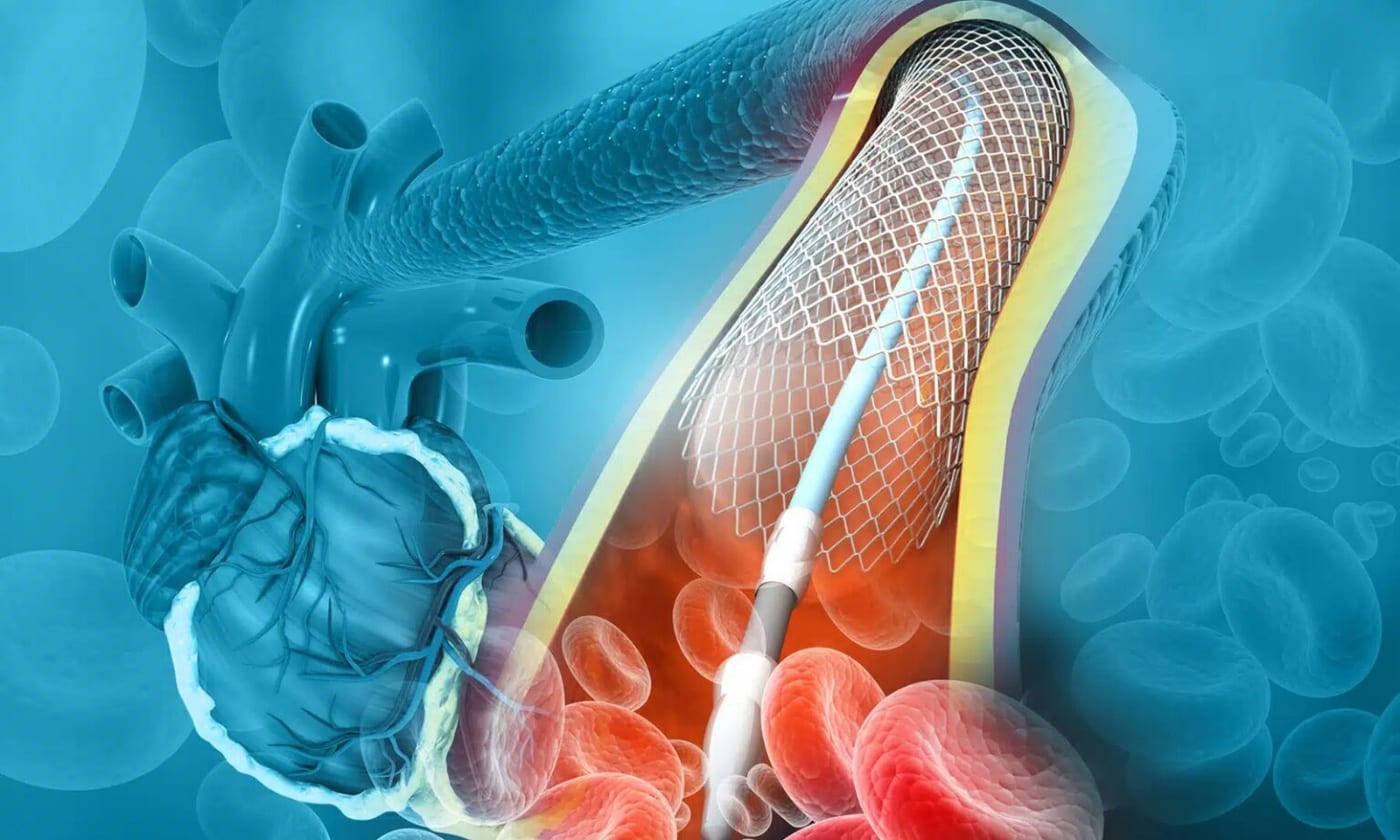
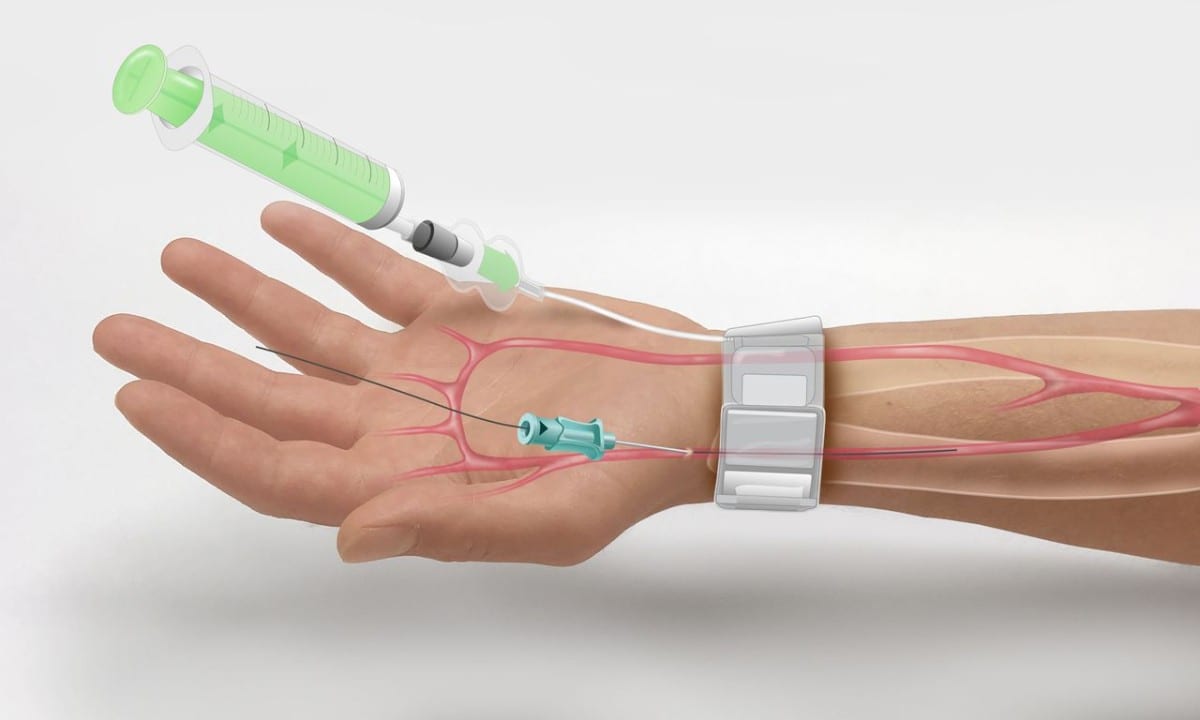
In transradial intervention, the catheter enters through the radial artery at the wrist. Compared with the traditional groin (femoral) route, it has fewer bleeding complications and patients need not lie flat for hours afterwards.
It is the default approach for most of Dr. Senthilnathan's angiograms and angioplasties, and is especially helpful for elderly patients, those on blood thinners and those with back problems.
Who may need it
- Most patients undergoing coronary angiography or angioplasty
What to expect
- The wrist is numbed and a small sheath is placed in the artery.
- The procedure continues as usual; at the end a compression band is applied to the wrist.
Recovery & aftercare
- Sit up and walk soon after the procedure.
- The band is loosened gradually over a few hours. Avoid heavy lifting with that arm for 2–3 days.
Medically reviewed by Dr. G.V. Senthilnathan, MBBS, MD (General Medicine), DM (Cardiology). This page is general information; your treatment plan will be tailored to your own reports and health.