Overview
Aortic stenosis — narrowing of the main outflow valve of the heart — causes breathlessness, chest pain and fainting, and becomes life-threatening if untreated.
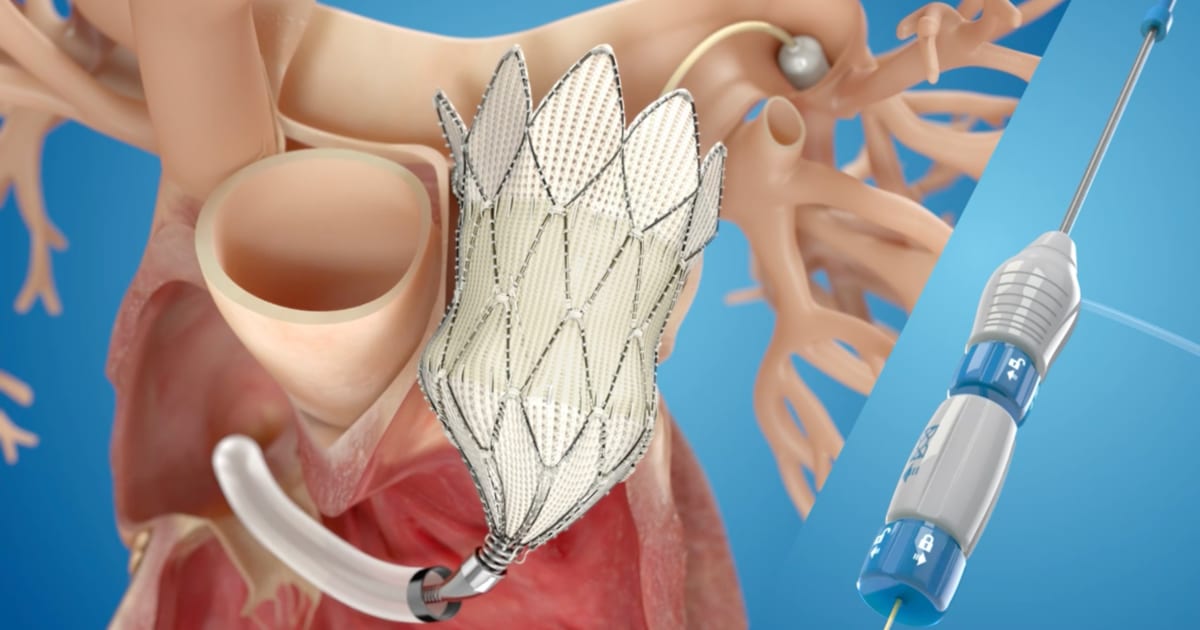
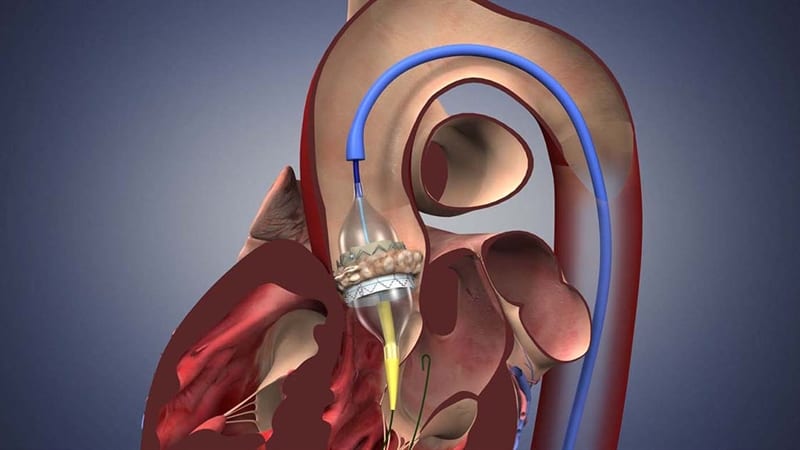
TAVR (also called TAVI) is a minimally invasive procedure that places a new tissue valve inside the old, diseased valve using a catheter. The old valve is not removed; the new one is held in place by the calcium already present.
TAVR is the preferred option for patients at intermediate or high surgical risk and is increasingly offered to lower-risk patients. A cerebral embolic protection device (such as Sentinel) may be used to reduce the risk of stroke during the procedure.
Who may need it
- Severe aortic stenosis with symptoms
- Elderly or frail patients
- Previous stroke, chest radiation or open-heart surgery, COPD or kidney disease
What to expect
- Done under local or general anaesthesia depending on your condition.
- A catheter is passed from the groin artery to the heart under X-ray guidance.
- A balloon may prepare the valve; the new valve is then positioned and expanded within the old one.
- After confirming the valve works well, the groin is closed with a percutaneous suture — no surgical cut.
Recovery & aftercare
- Most patients walk within a day and go home in 2–4 days.
- Breathlessness often improves within days to weeks. Regular echo follow-up is arranged.
Medically reviewed by Dr. G.V. Senthilnathan, MBBS, MD (General Medicine), DM (Cardiology). This page is general information; your treatment plan will be tailored to your own reports and health.