Overview
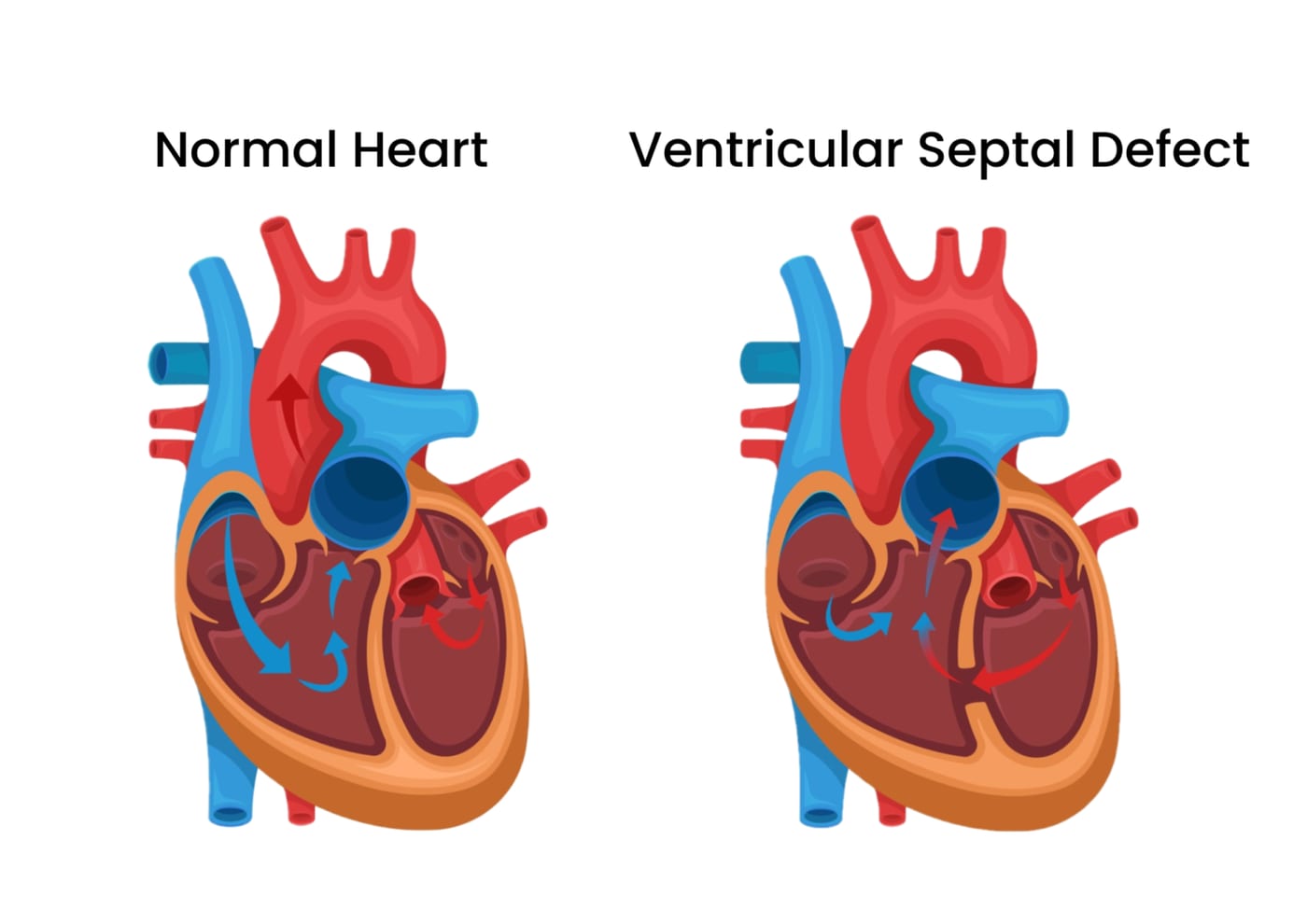
A ventricular septal defect (VSD) is a hole in the wall between the two lower pumping chambers of the heart. Small VSDs may close on their own, but larger ones can cause breathlessness, poor growth in children and lung pressure problems.
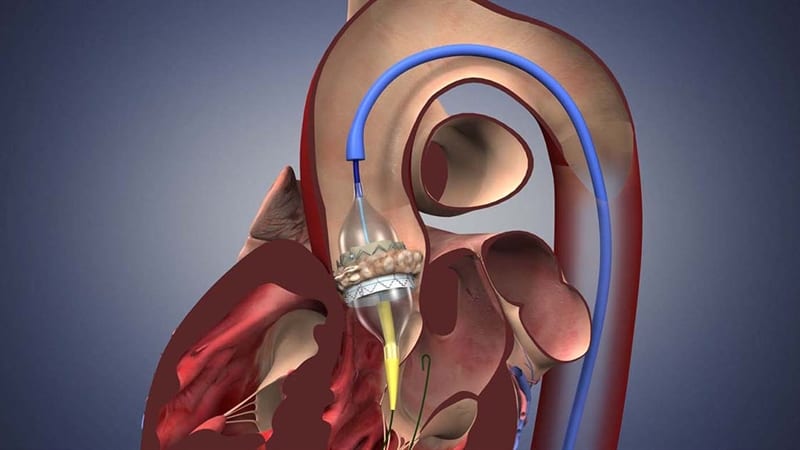
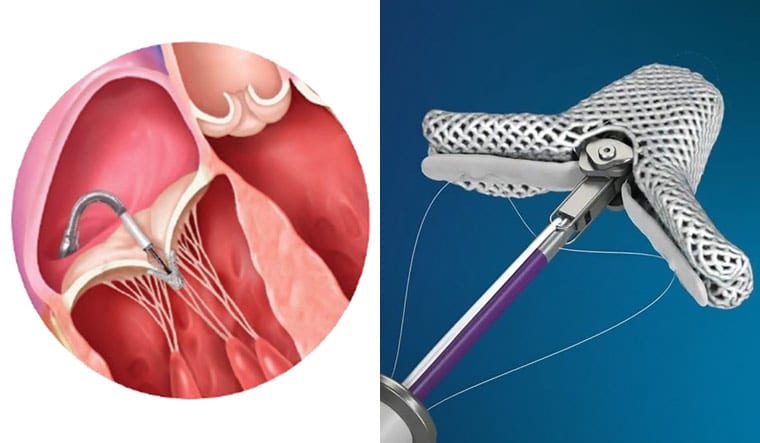
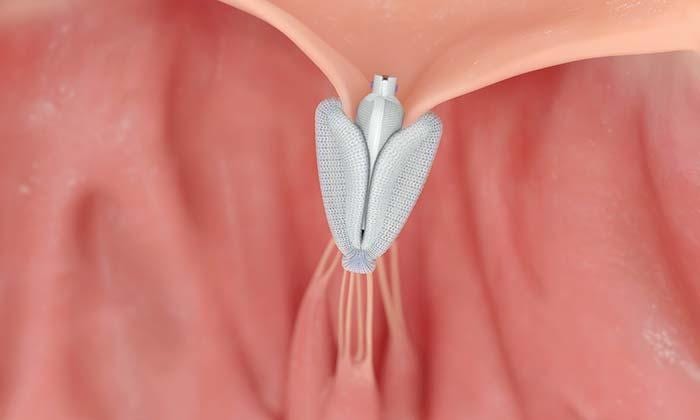
Many muscular and some perimembranous VSDs can be closed with a device delivered by catheter, avoiding surgery and a chest scar.
Who may need it
- Significant VSDs with heart enlargement or symptoms
- VSD occurring after a heart attack (selected cases)
- Residual VSD after previous surgery
What to expect
- Performed through the leg vessels under X-ray and echo guidance.
- The defect is crossed with a wire and the closure device is positioned and released.
Recovery & aftercare
- Usually 1–3 days in hospital, followed by periodic echo and ECG checks.
Medically reviewed by Dr. G.V. Senthilnathan, MBBS, MD (General Medicine), DM (Cardiology). This page is general information; your treatment plan will be tailored to your own reports and health.